Seasonal Flower Trends in [AREA]: What's Popular in [NEXT YEAR]
Posted on 12/11/2025

Seasonal Flower Trends in the UK: What's Popular in 2026
If you've ever walked into a room and felt your shoulders drop because the flowers were just right, you know the quiet power of great florals. For 2026, Seasonal Flower Trends in the UK: What's Popular in 2026 blend sustainability, softer sensory palettes, and playful textures with a distinctly British twist. Whether you're a florist, event planner, retailer, or a keen home decorator, this expert guide unpacks the colours, stems, and styling choices set to define the next year--along with practical steps you can copy, today.
Picture it: a crisp spring morning in London, a hint of rain in the air, the sweet-green scent of ranunculus and hellebores at New Covent Garden Market. Buckets clink, early coffees steam, and you can tell--this year's mood is different. Calm. Confident. Natural. Clean, clear, calm. That's the goal.
Below, you'll find a comprehensive, SEO-optimised roadmap covering why these trends matter, how to leverage them season-by-season, and how to stay compliant with UK rules (without losing your mind). Truth be told, flowers are fashion and farming and feeling, all at once. Let's make 2026 your most beautiful year yet.

Table of Contents
- Why This Topic Matters
- Key Benefits
- Step-by-Step Guidance
- Expert Tips
- Common Mistakes to Avoid
- Case Study or Real-World Example
- Tools, Resources & Recommendations
- Law, Compliance or Industry Standards (UK-focused)
- Checklist
- Conclusion with CTA
- FAQ
Why This Topic Matters
Flowers aren't just pretty objects. They're signals. Seasonal flower trends in the UK: what's popular in 2026 reveals where culture and climate are drifting--from mindful consumption to local provenance to delicate, tactile design. For professionals, aligning with trends boosts bookings, sales, and brand relevance. For everyday flower lovers, it's the difference between a bouquet that feels "fine" and one that feels oh wow.
In our experience, aligning with seasonal floral trends saves money, cuts waste, and lifts quality. Seasonal stems typically travel shorter distances, last longer, and carry richer colours and fragrances. And consumers are savvier now--people ask about sourcing, certifications, and even packaging. To be fair, that's good pressure. It nudges the whole industry forward.
Let's face it, 2026 is also about pragmatism. Weather patterns have been erratic, supply chains have shifted, and UK import rules evolved. Building a seasonal, trend-led plan helps you pivot fast. That way, when the first sweet peas hit in late spring--or when a storm delays peonies--you're ready with beautiful alternatives that still match the mood.
One tiny moment: a client in Manchester told us she now orders dahlias by variety name because colour accuracy matters more for her neutral-brand office. That's where we are. Precision and feeling, together.
Key Benefits
- Sharper brand identity: Using trend-forward palettes and forms (airy meadows, sculptural stems, velvety petals) signals you're current and considered.
- Better margins with seasonality: Seasonal availability often means fresher stock and better pricing, especially when you plan ahead with growers.
- Lower environmental impact: Sourcing UK-grown when possible reduces transport miles and aligns with consumer expectations for eco-consciousness.
- Improved vase life and quality: Seasonal stems tend to have stronger performance--less droop, more scent, more joy.
- Compliance made simple: Planning around UK import and biosecurity updates keeps you legally sound and avoids last-minute panic.
- Storytelling that sells: People remember scented narcissi in February or the first locally grown garden roses in June. Stories drive loyalty and repeat business.
And honestly, it's more fun. Working with the seasons feels like cooking with perfectly ripe tomatoes in August--some things just sing.
Step-by-Step Guidance
This is your actionable, season-by-season playbook for Seasonal Flower Trends in the UK: What's Popular in 2026. Use it to plan retail collections, weddings, corporate installs, or simply a happier home.
Step 1: Map the 2026 Seasonal Moodboard
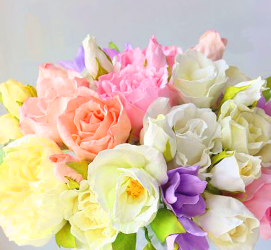
Spring (March-May): Expect tender brights and soft pastels together--think butter-yellow, sky blue, fresh greens, and blush. Key flowers: ranunculus, anemones, hellebores, narcissi, tulips (especially parrot and fringed), and the first British sweet peas late spring. Styles lean airy and garden-inspired, with dancing stems and negative space. A bit of whimsy is very in.
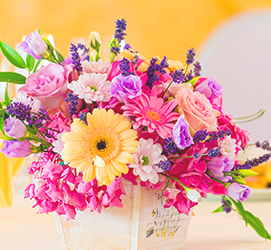
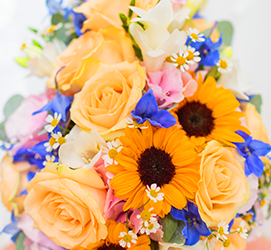
Summer (June-August): The 2026 summer takes on a sun-baked, juicy palette: coral, apricot, and berry with cooling sage greens. Dahlias (especially ball and cactus forms), garden roses, sweet peas, scabiosa, delphinium, nigella pods, and cosmos. Arrangements feel abundant but not heavy--meadowy, with movement. Outdoor celebrations, terrace dinners, barefoot weddings... you'll see the vibe.
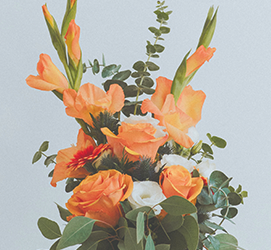
Autumn (September-November): Rustic yet refined. Earthy terracottas, caramel, wine, moss, and smoke. Dahlias (late), chrysanthemums (heirloom types), amaranthus, hydrangea, rudbeckia, rose hips, and grasses. For 2026, expect more sculptural seed heads and a subtle metallic accent (antique gold, nothing shouty).
Winter (December-February): Understated elegance. Plum, forest, velvety white, and frosted grey. Hellebores, paperwhites, hyacinths, forced branches (willow, dogwood), anemones, and ranunculus creeping back in. Texture is key--moss, cones, small vessels grouped like a still life. Candle glow is part of the "arrangement."
Micro moment: It was raining hard outside that day, and a florist in Bristol set a row of milk-glass bud vases with paperwhites on the counter. The room instantly brightened--and smelled like winter hope.
Step 2: Choose Your Signature Palettes
Define two to three signature palettes per season. Keep one timeless (neutrals + greens), one trend-forward (e.g., apricot + poppy red + butter), and one bold (berry + fuchsia + smoke). Having preset palettes speeds up consultations and inventory planning.
- Spring example: Blush + butter + fern green; Sky blue + cream + freesia yellow.
- Summer example: Apricot + coral + sage; Berry + lilac + eucalyptus grey.
- Autumn example: Terracotta + moss + antique gold; Merlot + blush + caramel.
- Winter example: Velvet white + pine + pewter; Plum + smoke + forest green.
To be fair, you don't need to reinvent the wheel every month--repetition builds brand consistency.
Step 3: Source Seasonally and Locally (Where It Makes Sense)
- Identify UK growers for spring bulbs, summer field flowers, and autumn dahlias. Start with regional flower farms and the New Covent Garden Flower Market supplier list.
- Balance imports wisely: Many hero blooms (e.g., winter ranunculus, roses) still arrive via Dutch auctions or direct from Kenya/Ethiopia. Choose certified options (e.g., Fairtrade, Rainforest Alliance) where possible.
- Lock in availability and prices early: For weddings and peak weeks (Mother's Day, Valentine's, Christmas), pre-order to avoid heart-stopping substitutions.
Little aside: yeah, we've all been there--promising a specific peony variety in late May only for the weather to play games. Offer a "colour + feeling" guarantee rather than a single variety promise.
Step 4: Shape, Texture, and Vase Strategy
In 2026, consumers are loving shapes with movement: asymmetry, soft arcs, and airy negative space. Texture is everything--seed heads, grasses, frilly petals, ruffled tulips, and velvety roses.
- Vases: Stoneware and matte ceramics, smoked glass, low compotes for centrepieces. Reusable is in; overtly disposable is out.
- Mechanics: Floral frogs, chicken wire, and reusable armatures instead of floral foam. It's better for the environment and your brand story.
- Scaling: Mini bud-vase series for tables are huge--little moments, repeated. They feel intimate and modern.
Ever tried clearing a room and found yourself keeping everything "just in case"? The same urge hits with vases. Keep a tight, versatile capsule collection and rent the rest.
Step 5: Care, Conditioning, and Logistics
- Conditioning: Clean buckets, sharp snips, hydration solutions for roses, ranunculus, and hydrangea. Lilies--pollen removal on delivery to reduce staining.
- Temperature: Cool chain matters. Warm vans in August? Recipe for droop. Insulate and plan routes sensibly.
- Rotation: Prioritise short-lived stems in prime spots, hardier stems for heat-prone displays.
- Packaging: Recyclable or compostable wraps, paper tapes, and minimal plastic. Clients notice--because it matters.
You could almost smell the cardboard dust in the air the first time we ditched plastic sleeves for kraft. Small changes, big impression.
Step 6: Storytelling and Selling
Attach a tiny tag to arrangements: variety names, origin, care tips, and a one-line story. "Grown in Cornwall; these anemones open with the afternoon sun." It's honest. It sells. On social, show behind-the-scenes: buckets at 5am, conditioning benches, the first dahlia of the season. People want real.
Step 7: Backup Plans (Because British Weather...)
- Spring peony gap: Sub with ranunculus, garden roses, or double tulips in similar tones.
- Heat waves in summer: Lean on scabiosa, celosia, chrysanthemums (yes, the chic ones), and textural foliage.
- Autumn storms: Build with dried elements and seed heads to add structure when fresh supply dips.
- Winter shipping delays: Pre-book certified imports and maintain a palette-friendly substitute list.
Not perfect, just prepared. That's the game.
Expert Tips
- Design with "breathing room": Leave intentional gaps so special flowers can shine. Negative space is a design choice, not an accident.
- Think scent as a layer: Paperwhites at winter entryways, garden roses on summer tables, lavender sprigs in autumn gift wraps. Subtle, not overpowering.
- Mix price tiers smartly: Pair premium focal blooms (garden roses, dahlias) with value fillers (ammi, bupleurum, statice in modern tones). High-low is chic and margin-friendly.
- Show seasonal swaps in consultations: Create a small tray of "if not this, then that" so clients feel confident come harvest day.
- Build relationships with growers: A quick WhatsApp the week before your event can unlock hidden gems--extra buckets, special varieties, the good stuff.
- Photograph in natural light: Early morning shade is your friend. Your online shop will thank you.
- Accessibility matters: For public installs, consider fragrance sensitivity. Use unscented or light-scent varieties in enclosed spaces.
- Pet safety: Flag that lilies are toxic to cats. Offer safe alternatives (roses, snapdragons, gerberas) when needed.
One florist told us, "I stopped over-packing bouquets and my customers loved it. You can finally see the good rose." Simple, human truth.
Common Mistakes to Avoid
- Over-promising specific varieties: Weather shifts happen. Promise a palette and feel, not a single stem.
- Ignoring mechanics: Skipping chicken wire or frogs leads to collapsing designs and stressful fixes just before guests arrive.
- Buying out-of-season at any cost: It's expensive, often lower quality, and increasingly out of sync with customer values.
- Single-height arrangements: Flat equals flat. Layer heights and textures for dimension and a "wild but intentional" look.
- Underestimating conditioning time: Anemones, tulips, and ranunculus transform after a proper drink. Don't rush that magic.
- Plastic-heavy packaging: The optics are rough now, and many clients are actively choosing lower-waste vendors.
Ever promised yourself you'd scale back on Valentine's SKUs and then, well, didn't? Pace yourself. Choose fewer, better products that reflect the 2026 mood.
Case Study or Real-World Example
Case Study 1: London Wedding, Late June
Brief: "Romantic garden, nothing fussy, sustainable choices." The couple cared about cat-safe flowers for home arrangements after the wedding.
Plan: Palette of apricot, blush, and sage, with meadowy movement. UK-grown sweet peas, local dahlias (early), garden roses (imported, certified), scabiosa, and airy ammi. Foam-free compotes and a deconstructed arch using reusable chicken wire. Pet-safe arrangements for home: no lilies.
Outcome: The bride messaged: "Our house still smells like summer." The arch was repurposed into table meadows the next day, reducing waste and maximising value.
Case Study 2: Manchester Lobby Installation, October
Brief: Seasonal warmth that lasts three weeks, minimal fragrance for a public space.
Plan: Terracotta and caramel tones with bronze chrysanthemums, seed heads, dried grasses, hydrangea, and sculptural branches for height. Foam-free mechanics with water-reservoir tubes hidden in a matte stoneware plinth.
Outcome: Weekly refreshes focused on swapping the most delicate stems. Staff said the lobby felt "calm, grounded, and quietly posh." Exactly right.
Tiny note: We once tried bright orange here. Didn't sing under the LED lighting. Adjusted to deeper rust and it clicked. Live and learn.
Tools, Resources & Recommendations
- Markets: New Covent Garden Flower Market (London, Nine Elms) for early morning wholesale shopping and supplier intel.
- UK Grower Networks: Regional flower farms, farmer-florist co-ops, and seasonal lists via local associations and social groups.
- Trend Intelligence: RHS Chelsea Flower Show highlights; Flower Council of Holland consumer trend reports; wedding trend roundups from reputable UK publications.
- Care Guides: Royal Horticultural Society (RHS) for plant care; supplier PDFs for conditioning different varieties.
- Eco Mechanics: Floral frogs, kenzans, chicken wire, water tubes, reusable cable ties, and armatures. Ditch single-use floral foam when possible.
- Packaging: Recyclable paper wraps, tissue from recycled content, natural twine, paper tape. Keep a tidy suite of branded stickers (low-ink for recyclability).
- Photography: A simple daylight setup: north-facing window, foam board reflector, neutral backdrop. Your colours will look true.
- Inventory Apps: Basic stock tools or spreadsheets to track stem counts per design. It's not glamorous--but profitable.
We also recommend a seasonal "capsule menu" of 6-8 arrangements per quarter. Less scrolling for customers, more clarity for your buying.
Law, Compliance or Industry Standards (UK-focused)
Staying compliant isn't just about avoiding fines--it signals professionalism and trust. Here's what matters in 2026 for UK floristry and floral retail related to seasonal flower trends in the UK: what's popular in 2026.
- Plant Health & Biosecurity: UK import controls continue to evolve. Check the UK Plant Health Portal and IPAFFS for import notifications. Certain cut flowers and plant materials require phytosanitary certificates and may be subject to inspections. Always verify commodity codes and origin-specific rules before ordering.
- Border Target Operating Model (BTOM): Phased sanitary and phytosanitary checks for EU and non-EU goods took effect in 2024-2025. Build extra lead times into winter imports, especially.
- Packaging & Waste: Extended Producer Responsibility (EPR) for packaging is rolling out. If you place significant packaging on the UK market, you may need to collect data, pay fees, and report. Choose recyclable materials and keep accurate records.
- CMA Green Claims Code: If you market bouquets as "eco-friendly" or "sustainable," ensure claims are specific, truthful, and backed by evidence. Avoid vague language.
- Consumer Protection from Unfair Trading Regulations 2008: Be clear about substitutions and seasonal variability. Don't promise what you can't supply.
- Workplace Safety: Under COSHH, manage exposure to flower preservatives and cleaning agents. Train staff on safe handling and provide appropriate PPE where needed.
- Ethical Sourcing: Fairtrade and Rainforest Alliance certifications can support your social responsibility claims. Keep documentation for audits and transparency.
- Accessibility & Allergy Considerations: For public installations, consider fragrance sensitivities and include signage if using heavily scented blooms.
Note: Regulations do update. Always cross-check official GOV.UK guidance and industry bodies like the British Florist Association. A five-minute check can save you a week of headaches.

Checklist
- Define seasonal palettes (timeless, trend, bold) for spring, summer, autumn, winter.
- Secure suppliers (UK growers + import partners). Verify plant health requirements by commodity code.
- Set SKU menus per quarter with pricing and stem counts.
- Design mechanics foam-free where possible; stock frogs, wire, and tubes.
- Prep packaging that's recyclable or compostable--train staff on tidy presentation.
- Photography of each SKU in natural light; maintain a consistent brand backdrop.
- Client comms templates for substitutions and seasonal swaps.
- Event logistics timeline: receiving, conditioning, assembly, delivery routes, on-site install, repurposing plan.
- Compliance check: plant health, EPR packaging data, truthful green claims.
- Post-mortem after each season--what sold, what flopped, what needs revising.
Keep it on a single page. You'll actually use it.
Conclusion with CTA
Seasonal Flower Trends in the UK: What's Popular in 2026 is more than a mood board--it's a practical path to better flowers, happier clients, and a lighter footprint. Lean into movement, mix premium with clever fillers, and tell honest stories about where your stems come from. When you work with, not against, the seasons, everything feels easier. And more beautiful.
Imagine unwrapping a bouquet on a chilly February morning and catching a shy whiff of paperwhites. Small moment, big lift. That's the power we're chasing.
Get a free quote today and see how much you can save.
However you plan your next season--courage, a clear palette, and a clean bucket. You've got this.
FAQ
What are the top seasonal flower trends in the UK for 2026?
Airy, garden-inspired designs with movement; soft, nature-led palettes (butter yellow, apricot, moss, plum); foam-free mechanics; and sustainable sourcing with clear, honest storytelling.
Which spring flowers will be most popular?
Ranunculus, tulips (parrot and fringed), anemones, hellebores, narcissi, and early British sweet peas. Expect tender brights mixed with gentle pastels.
What's trending for summer weddings?
Dahlias, garden roses, sweet peas, scabiosa, and meadowy foliage. Colours lean apricot, coral, and berry with calming greens. Asymmetrical arches and bud-vase tablescapes are big.
Are dried flowers still in style for 2026?
Yes--used as accents. Seed heads, grasses, and preserved textures add structure and longevity, especially for autumn and public installs. Keep the palette modern and avoid overdoing bleached whites.
How can I make my bouquets more sustainable?
Buy seasonally, support UK growers, choose certified imports when needed, skip floral foam, use recyclable packaging, and be specific about your eco claims. It's good for the planet and your brand.
What's a smart colour palette for winter 2026?
Velvety whites, forest greens, plum, and pewter. Pair with hellebores, paperwhites, anemones, and branches. Think still-life calm with candlelight.
How do I navigate UK import and plant health rules?
Check the UK Plant Health Portal and IPAFFS for commodity-specific requirements. Some cut flowers require phytosanitary certificates and may face checks. Build timelines accordingly.
What are good substitutes if peonies aren't available?
Ranunculus, double tulips, garden roses, or lush chrysanthemums in matching tones. Promise colour and mood, not exact varieties, to stay flexible.
Any tips for long-lasting arrangements in summer heat?
Condition stems thoroughly, deliver during cooler hours, use hardy fillers like scabiosa and ammi, keep water clean, and advise clients to avoid sunny windows. Simple, effective.
How do I price trend-forward designs without scaring customers?
Create tiered menus: entry, mid, and premium. Pair show-stoppers with value stems, standardise stem counts, and photograph each SKU clearly so customers see the difference.
Is floral foam a deal-breaker now?
More clients prefer foam-free for environmental reasons. Use frogs, wire, and armatures. If foam is unavoidable, disclose and offset with lower-waste packaging elsewhere.
Are lilies safe for pet households?
No--lilies are toxic to cats. Offer alternatives like roses, snapdragons, gerberas, and stocks. Always check with the client about pets and allergies.
How do I keep my designs from looking flat?
Vary stem heights, cluster by flower type for impact, leave negative space, and use a mix of textures--ruffled petals, pods, and soft foliage. Photograph in natural light to check balance.
Where can I find reliable UK growers?
Start with New Covent Garden Flower Market supplier lists, regional farmer-florist networks, and local flower farms. Build relationships; ask for seasonal availability lists in advance.
One last thought: flowers remind us to pay attention. The season changes, we notice--and somehow, we feel a bit more alive. That's enough reason, right there.
Latest Posts
The Best Florists Near [POSTCODE]: Where to Find Quality Flowers
Seasonal Flower Trends in [AREA]: What's Popular in [NEXT YEAR]
Turning Birthdays into Memories with Beautiful Blooms